
"seven major"
1000 article(s) found

Introduction to Cloud Manor in Antigua Coffee producing area of Guatemala _ Source of Antigua Coffee Flavor
Professional coffee knowledge exchange more coffee bean information please pay attention to the coffee workshop (Wechat official account cafe_style) Guatemala is located in the Central American isthmus, the territory of many volcanic mountains and plateaus, the production of high-quality Central American high-altitude very hard coffee beans, is the ninth largest producer of coffee beans in the world. Coffee from five volcanic and three non-volcanic producing areas is very unique and mainly produced.

Coffee healthy coffee can reduce the incidence of cancer
Diabetes is one of the major diseases that endanger the health of middle-aged and elderly people. There are as many as 7 million diabetes patients in Japan, and the number of potential patients is more than 20 million. In addition to exercise, diet, genetic and other influencing factors, studies in various countries have come to the same conclusion: coffee drinkers are less likely to suffer from glycosuria.

What are the flavor characteristics of coffee beans in the Koban rainforest region of Guatemala? How do you classify the grades?
What are the flavor characteristics of coffee beans in the Koban rainforest region of Guatemala? How do you classify the grades? The coffee beans produced in Guatemala, which has seven major coffee producing areas, are all Arabica, all located on the highland topography of the subtropical climate, with rich and stable rainfall and fertile volcanic ash soil. as a result, all parts of the country have natural environmental conditions that are very suitable for coffee cultivation. Each producing area has a unique flavor.

Guatemala Coffee Bean Flavor Manor introduces Antigua boutique coffee beans
Coffee was really introduced into Guatemala in 1750 by Father Jesuit, and the coffee industry was developed by German colonists at the end of the 19th century. Today, most of the coffee industry's production takes place in the south of the country. There are seven major coffee producing areas in Guatemala, and the flavor of the coffee produced in each area is different, but to sum up, the coffee in Guatemala is all

Guatemalan Coffee about the producing areas and characteristics of Guatemalan coffee beans
Professional coffee knowledge exchange more coffee bean information please follow the coffee workshop (Wechat official account cafe_style) Guatemala has seven major coffee producing areas Guatemala produces coffee beans are all Arabica, are located in the subtropical climate of the highland topography, rich and stable rainfall, fertile volcanic ash soil, so that all parts of the country have a very suitable natural environment for coffee cultivation

Coffee flavors from different coffee producing areas around the world
Costa Rican coffee has full grains, ideal acidity and unique strong aroma. Tarrazu of Costa Rica is one of the major coffee producing areas in the world. Costa Rica, with its fertile volcanic soil and good drainage, is the first country in Central America to grow coffee and bananas for commercial value. Coffee and bananas are
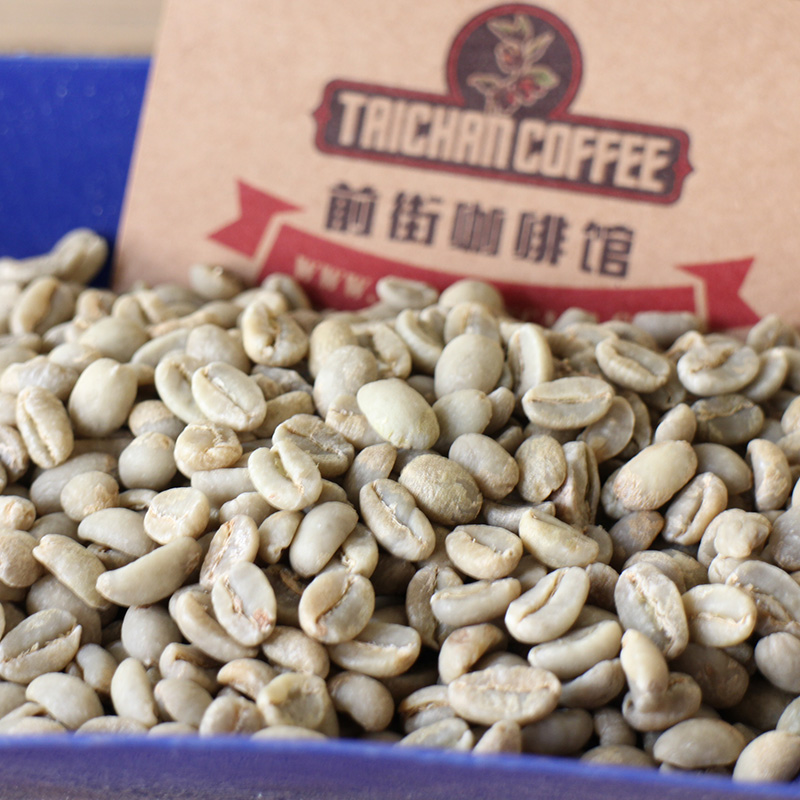
Raw Bean Price Costa Rica Tara Pearl Diamond Hill Manor Wash SHB Kadura Fine Coffee Raw
Coffee cultivation in Costa Rica was introduced from Cuba in 1779 and exported for the first time in 1820. There are about 32,000 coffee farmers in Costa Rica, with an average cultivation area of less than one hectare (10,000 m2) per farmer. Costa Rica has a population of 4.1 million (2006), 82,500 hectares of coffee cultivation, an annual production of 1.7 million bags (60kgs per bag), and an annual domestic consumption of 380,000 bags.

Kamoini Camoni Water treatment Plant in Kenya introduces the characteristics of washed Kenyan coffee.
Professional coffee knowledge exchange more coffee bean information please follow the coffee workshop (Wechat official account cafe_style) the coffee-producing areas of Kenya are mainly concentrated in the plateau areas represented by the Mt.Kenya of Kenya. Tropical climate, acid red volcanic soil provides a natural and suitable growth environment for coffee. It is most famous for its seven major producing areas, including Neri, Sika and Qi'an.

One of the 2017 global cafe ordering strategies
The best way to learn about a city is to walk into a local cafe and serve a cup of specialty coffee in the air full of roasted cocoa beans and a warm smell. Next, the editor will share with you the coffee shop guide of the seven major cities in the world. I hope it will be helpful to you! Czech Prague coffee beans: Kava features: Kava is rich brown and black, tall and Turkish coffee beans

What does Kenya SL28 coffee bean mean?
What does Kenya SL28 Coffee beans mean? Kenya's coffee producing areas are mainly concentrated in the plateau areas represented by Mount Mt.Kenya. Tropical climate, acid red volcanic soil provides a natural and suitable growth environment for coffee. It is the most famous of the seven major producing areas, including Nieri, Sika, Chiambu, Geliniya, Ruilu, Mulanga and the western side of Mount Kenya.

Costa Rican Red Honey treatment Kaddura Fine Coffee Bean Variety planting Market Price
Costa Rican volcanic terrain with fertile volcanic ash, mild and suitable temperature, and stable and abundant rainfall is one of the reasons why coffee has become one of the main agricultural products in Costa Rica. The seven major producing areas are: Tarrzu, Tres Rios, Orosi, Central Valley, West Valley, Turrialba and Brunca. [Tobosi/ Tobusch Manor in Costa Rica] Tobusch Manor is in Costa Rica

What are the ways to brew coffee by hand? The difference between the characteristics of one-knife flow and three-knife flow hand punching technique
In the world of hand-brewing coffee, there are seven major folk genres of hand-brewing coffee, which are: volcanic impact, meteorite impact, one-knife flow, three-knife flow, powder pressing, mixing and spot injection. Except for the dot injection method, all the flow directions are in the form of drawing circles. To restore the flavor of beans as much as possible, it is most important to make them taste good, while

Introduction of coffee characteristics of Central American coffee beans
Professional coffee knowledge exchange more coffee bean information please follow the coffee workshop (Wechat official account cafe_style) Central American coffee Central America is the land bridge connecting North and South America there are seven countries, namely Belize, Costa Rica, El Salvador, Guatemala, Honduras, Nicaragua and Panama. Coffee is produced in seven countries in Central America, including Guatemala and Costa Rica.

China Coffee Network recommends Costa Rica's Tarazu Diamond Villa Park to wash SHB Kaddura American Cafe.
Costa Rican coffee plants were imported from Cuba in 1779 and exported for the first time in 1820. There are now about 32000 coffee farmers, with an average of less than 10000 yuan per farmer. Costa Rica has a population of 410 million (2006), an active coffee planting area of 82500 square meters, an annual output of 1.7 million bags (60kgs per bag), and an annual consumption of 38 million bags in China.

Costa Rican Saint Roman washed boutique coffee beans St. Roman coffee unique flavor St. Roman coffee
The best coffee in Costa Rica seems to come from small processing plants, spread across several major coffee producing areas, including Tarazu and the western valley. This so-called coffee revolution originated 15 years ago and has greatly changed the way bean baking experts and importers think about Costa Rican coffee. Take the processing plant as the center, collect coffee beans from the surrounding small farms for processing, most of these farms are small societies

Nicaragua Maracadura Coffee Flavor Description Grind Treatment Features Variety Introduction
Coffee was introduced to Guatemala in 1750 by Father Jesuit, and German colonists developed the coffee industry in the late 19th century. Today, most of the coffee industry is produced in the south of the country. Guatemala has seven major coffee producing areas, each producing area produced by the coffee flavor is different, but in summary, Guatemala coffee are

How to drink Costa Rica Vera Sachi coffee? Shangri-La Manor, Costa Rica
Professional coffee knowledge exchange More coffee bean information Please pay attention to coffee workshop (Weixin Official Accounts cafe_style) Costa Rica has seven coffee producing areas, among which Tarazhu, Central Valley and Western Valley are the three most famous and best quality producing areas. West Valley is one of the seven producing areas of Costa Rica, and Valle Occidental is the western mountain.
Costa Rican coffee flavor Central and South American coffee characteristics Tara Pearl Diamond Villa washing SHB card
Costa Rican coffee plants were imported from Cuba in 1779 and exported for the first time in 1820. There are now about 32000 coffee farmers, with an average of less than 10000 yuan per farmer. Costa Rica has a population of 410 million (2006), an active coffee planting area of 82500 square meters, an annual output of 1.7 million bags (60kgs per bag), and an annual consumption of 38 million bags in China.

Introduction to the coffee producing area of La Tisa Manor in Guatemala
Coffee was really introduced into Guatemala in 1750 by Father Jesuit, and the coffee industry was developed by German colonists at the end of the 19th century. Today, most of the coffee industry's production takes place in the south of the country. There are seven major coffee producing areas in Guatemala, and the flavor of the coffee produced in each area is different, but to sum up, the coffee in Guatemala is all